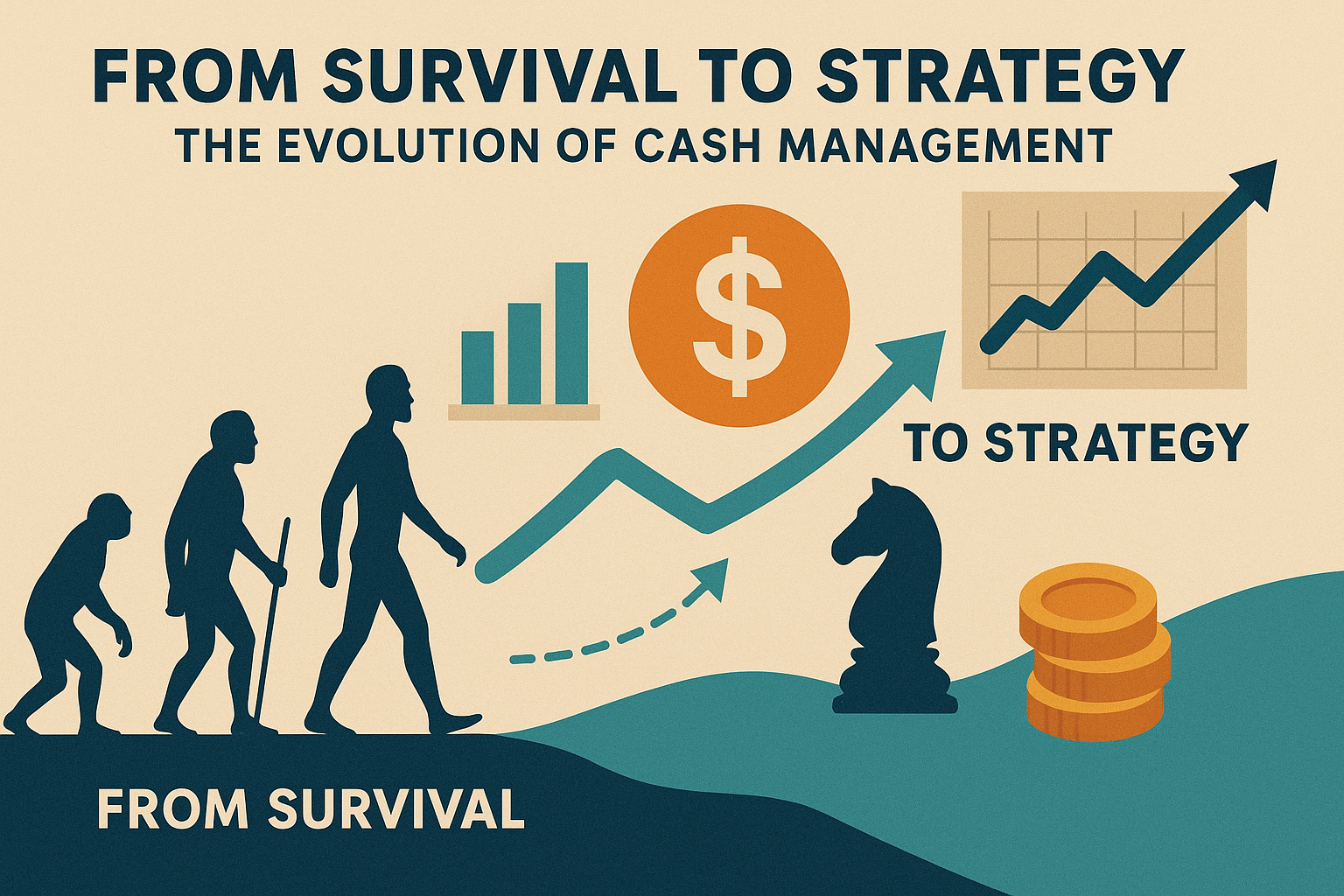
Enlightened business leaders understand that the practice of managing cash transcends its fundamental role in ensuring day-to-day solvency, evolving into a sophisticated strategic discipline that directly impacts and ultimately maximizes the valuation of their enterprises. This evolution can be understood in two key phases.
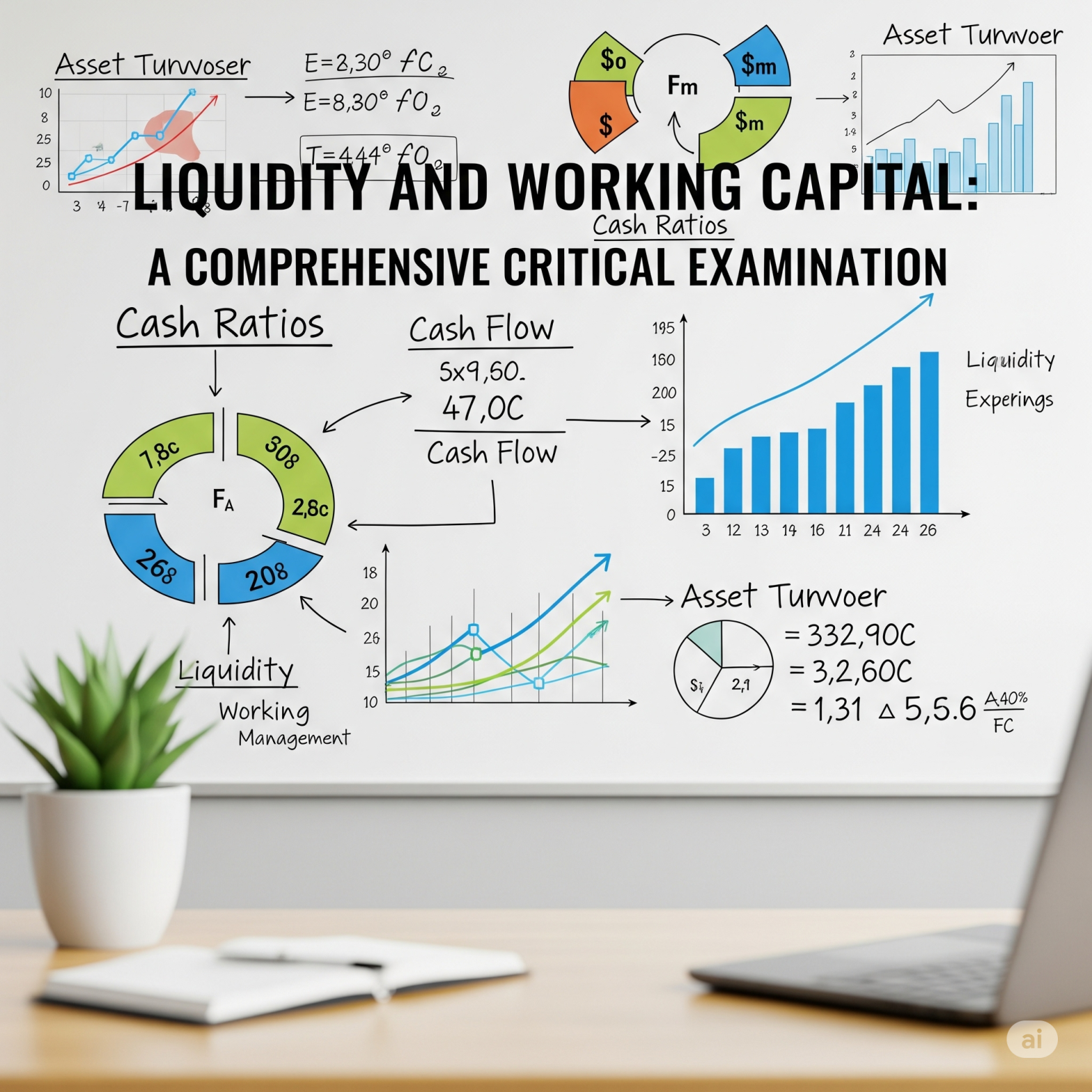
The initial, foundational phase centers on a deep understanding and meticulous management of primary operational cash flow – the lifeblood genuinely generated from the core business activities. This granular insight is not merely for accounting purposes; rather, it serves as the bedrock for making informed investment decisions, strategically aligning financing instruments with operational realities, and, most importantly, building the inherent, sustainable value of the organization from the ground up. This involves a keen focus on working capital, ensuring that current assets exceed current liabilities. A healthy ratio of Current Assets to Current Liabilities (greater than 1.5) indicates strong short-term financial health.
If your organization is still navigating this foundational phase, it’s crucial to partner with financial experts who can help streamline cash flow management and maximize operational efficiency. Contact us today to see how we can assist you in strengthening your cash flow management.
As the business matures and establishes a stable operational rhythm, the focus strategically broadens to encompass the dynamic interplay of financing and investing cash flows, shifting from a posture of managing immediate liquidity to one of proactively capitalizing on strategic opportunities for growth and expansion. This more advanced stage necessitates a sophisticated approach to strategic capital allocation, where resources are deployed with foresight and precision. It requires proactive and intelligent debt management, optimizing the capital structure to enhance financial flexibility and reduce risk. Furthermore, it demands that all capital expenditure planning is rigorously evaluated and demonstrably linked to tangible returns on investment, ensuring that every significant outlay contributes to future value creation.
Effective financial planning is crucial at this stage, ensuring that resources are allocated in alignment with strategic growth goals. Reach out to us for expert guidance on how to optimize your capital structure and position your business for long-term growth.
Several key practices are instrumental in facilitating this transition from basic cash management to a strategic imperative.
Diligently tracking the current ratio and consistently maintaining positive net working capital provides a crucial buffer of liquidity, effectively buying the organization both time to navigate challenges and the optionality to seize emerging opportunities.
Achieving mastery over the Cash Conversion Cycle (CCC) – the formula of Days Inventory Outstanding (DIO) plus Days Sales Outstanding (DSO) minus Days Payables Outstanding (DPO) – and actively implementing strategies to shorten this cycle significantly accelerates the inflow of cash by optimizing the management of inventory, receivables, and payables across the entire value chain. The CCC represents the time between cash out (purchase and pay) and cash in (sell and collect).
The implementation of precise forecasting methodologies, such as the adoption of a rolling 13-week forecast, when intelligently paired with the insights derived from the CCC, moves beyond reactive guesswork to provide invaluable clarity and foresight into the long-term financial trajectory of the business. This method involves a weekly cash flow forecast, updated on a rolling basis, analyzing cash inflows and outflows with a high level of granularity.
If your business is looking to improve forecasting accuracy and optimize cash flow management, contact our team for a detailed consultation on best practices and tools.
The strategic optimization of payment terms through skillful negotiation with suppliers and customers, the implementation of automated payment processes, and the thoughtful use of incentives can significantly accelerate collections and create more favorable payable schedules, effectively allowing the business to operate with cash moving on its own, more advantageous terms. Strategies include negotiating longer payment terms with suppliers and faster payment terms with customers, offering discounts for early payments, and automating invoicing and billing.
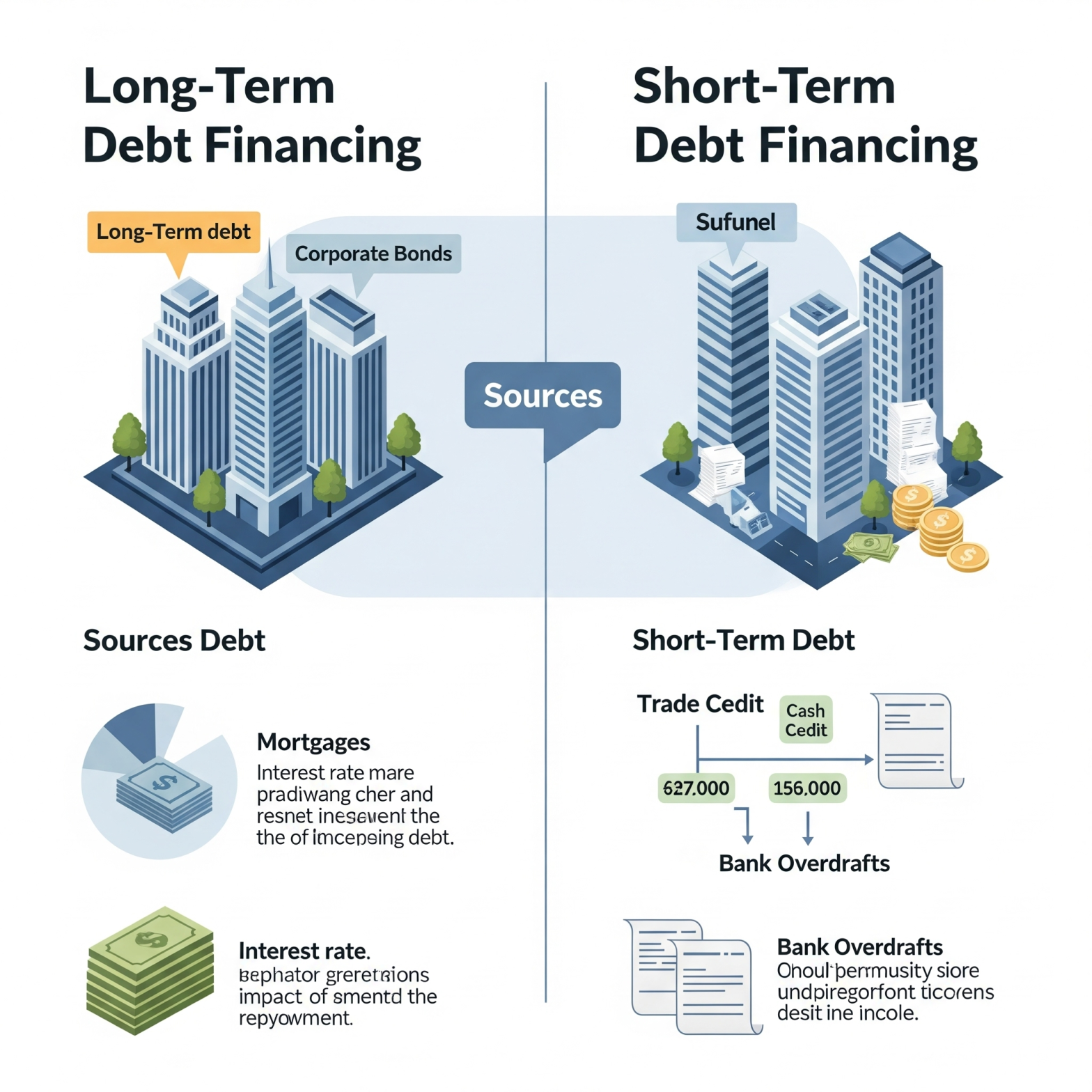
Intelligent debt management, encompassing the strategic refinancing of high-cost debt, balancing the debt-equity mix, monitoring and meeting covenants (Debt Service Coverage > 1.25, Funded Debt to EBITDA < 2.5, Fixed Charge Coverage > 1.25), monitoring cash-based Debt Service Coverage (DSC), and the careful alignment of the capital structure with the predictable patterns of operational cash flow, transforms debt from a potential liability into a strategic component of the overall financial architecture.
The adoption of a rigorous framework for optimizing capital expenditure decisions, demanding thorough forecasting of operating cash flows (incremental revenues, fixed and variable costs, and tax effects), managing working capital during the project, and including salvage values, instills a culture where every significant capital allocation is viewed through the lens of its potential to generate future cash flows and enhance shareholder value. It also involves financing CapEx appropriately and considering opportunity costs.
The overarching and critical takeaway is this: effective cash management is not simply a tactical response to immediate financial needs; it is a proactive and deeply integrated strategic discipline that meticulously refines an organization’s liquidity profile, thoughtfully aligns the deployment of capital with prevailing macroeconomic cycles and ultimately maximizes the range of strategic options available to the leadership team.
While seemingly more glamorous investment narratives often capture the spotlight, a robust and strategically oriented approach to cash management quietly underpins both the effective mitigation of financial risks and the achievement of sustainable, long-term growth. Basic survival in the business world is often a transactional endeavor; however, the strategic mastery of cash management is undeniably transformational, unlocking enduring value and competitive advantage.
To explore how strategic cash management can help your business grow and thrive, reach out to us for a personalized consultation. Contact us today!